
Unstoppable Skyscrapers: Shaping Sustainable Buildings that Endure Blackouts, Heatwaves and Floods
Floods
Archetype Group is a leading international construction consultancy shaping sustainable buildings that last, through a full range of services: Architecture and Master Planning, Building Engineering, Industrial and Process Engineering, and Project and Cost Management. Since 2002, the firm has delivered over 1,500 projects in 50 countries, bringing multidisciplinary expertise to hospitality, real estate, and industrial sectors worldwide.
With experience delivering more than 50 tall building projects globally, the team has gained a deep understanding of the technical, environmental, and operational challenges of high-rise development, especially in emerging countries with evolving infrastructure. This experience informs an integrated approach that blends architectural vision, structural innovation, MEP efficiency, and sustainable design to create towers that are resilient, adaptable, and future ready.
Zoom on Southeast Asia Tall Buildings
Two of Archetype Group’s recent notable projects in Southeast Asia, ODOM Tower in Phnom Penh, exemplify the firm’s integrated approach and technical expertise in high-rise development. Both projects reflect a balance between design innovation, structural performance, and sustainability, showcasing how complex vertical structures can be tailored to diverse urban environments.
ODOM Tower, Phnom Penh, Cambodia
Odom, the new design standard in Phnom Penh’s urban landscape, has become an iconic and memorable landmark. The project is led by ULS, a developer that is delivering its most ambitious and community-focused project to date. The building is centrally located on Norodom Boulevard, the most sought-after location in the capital. This award-winning complex has been designed by Singaporean designers and features two towers connected by a five-floor podium. With a combined residential, commercial, and office space of 14,000 GFA, 19,000 GFA, and 68,000 GFA respectively, the project is set to redefine community living in Cambodia. The design of the complex is inspired by traditional Khmer villages, making it a unique and innovative landmark. Construction for the project started in 2023, and it is expected to be completed by 2026. With its modern design and community-focused features, Odom is set to become a top-notch reference in Phnom Penh’s ever-evolving urban landscape (see Figure 1).
Phnom Penh’s skyline is constantly changing, with new buildings being erected every year. However, not all of them will be able to stand out as iconic landmarks in the city.
-
Design Inspiration
Odom Tower is one of those few buildings that are set to become a standout feature of the city’s skyline in the coming years. The tower’s design is inspired by the stacked stones of Angkorian temples and is divided into four segments. Each sky village utilizes local materials such as brick, bamboo, and other regional items to create a modern design that celebrates Cambodia’s rich cultural heritage. The tower’s social areas are located in the sky villages, which have been designed to bring the community spirit of Cambodian village life into the future. These sky villages provide shared amenities and outdoor green space for residents to interact and connect, bringing people together in a way that is reminiscent of traditional Cambodian village life.
-
Structural Design
The tower’s main structure is made of concrete, with a central core wall and perimeter columns. However, in the sky village area, the exposed steel structure has been used to support the sky village, which is held up by double-height columns of 16m. This structural design ensures that the tower is built to last, providing a strong foundation for the sky villages to thrive. The tower’s five basements presented several challenges during construction due to the soil conditions of the Mekong delta, surrounding old buildings, and limited site access on the high traffic boulevard. To overcome these challenges, the semi-top-down construction method and concrete-filled steel pipes kingpost were used to minimize the impact on the surrounding environment.
-
MEP Design
The MEP design of the tower was carefully developed to accommodate the diverse functions of the project, including hotel/restaurant, office, retail, and residential/apartment spaces. Wherever possible, utilities such as cooling plants and fire services are centralized. Other systems, including the wastewater treatment plant, domestic water supply plant, and electrical stations, are separated between the Odom Tower and the Living Tower to clearly define operations and management. This approach helps reduce both initial and operational costs while minimizing the project’s overall energy consumption.
-
Green Design
Odom is committed to achieving LEED® Gold certification under LEED v4 BD+C: Core and Shell, with a focus on people and sustainable design features. The project aims to reduce energy consumption by approximately 15-20% compared to baseline values and encourages the use of low-emitting vehicles by providing bicycle parking facilities and reserved parking with charging spaces for green vehicles.
To take advantage of the site’s natural conditions and avoid negative effects on the site and surrounding areas, a site assessment was conducted to understand soil, hydrology, and vegetation conditions.
Rainwater is collected for various purposes, including passive cooling, irrigation of native plants, trees, and shrubs, and roof gardens. Low flow water fixtures are used to reduce water consumption, while the envelope and façade are optimized to allow maximum natural light and airflow into the buildings, providing a comfortable and healthy living and working environment.
Energy-efficient LED lamps are used for artificial lighting, with daylight and occupancy sensors integrated to enhance their performance. Multilevel controls of lights are also provided to maximize thermal comfort for occupants.
Non-CFC low environmental impact refrigerants are used for space cooling, while waste generated during construction and operation is collected separately and sold to a waste processing facility that recycles almost all of it, reducing the amount of waste that would end up in a landfill.
The project’s core focus on community will also reflect on the most tangible elements of the project, with the application of low-emitting, natural, or green materials during its construction and operation phases. This is Urban Living Solutions’ largest project to date and aims to not only help the community around the project but also inspire others to embark on the path of sustainability that is becoming increasingly important.
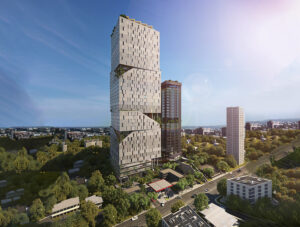
Figure 1: ODOM Tower, Phnom Penh – Cambodia © Archetype Group
———————————————————————————————————————————————————————————————————–
Archetype Group has identified several key factors that contribute to the success and resilience of tall buildings. These include stable and reliable electrification systems, energy-efficient cooling strategies, maintainable and accessible design, a reduced carbon footprint during construction, climate-responsive architecture, and the integration of smart technologies.
Cooling Systems for Longevity and Low Carbon Impact
In tropical and subtropical climates, cooling systems account for the majority of a tall building’s operational energy consumption [1]. Ensuring comfort for occupants while maintaining long-term equipment performance and minimizing carbon emissions presents a complex challenge, particularly in regions where technical expertise, maintenance infrastructure, or replacement components may be limited. Poorly designed cooling systems can lead to higher operational costs, increased downtime, and accelerated wear on mechanical systems.
To address this, MEP engineers at Archetype Group implement a centralized water-cooled chilled water plant to ensure high energy efficiency and stable performance [2]. For this project, a small chiller is also considered to operate during nighttime, aiming to optimize energy usage, reduce peak load, and maintain system reliability while minimizing operational costs.
The choice of refrigerants is also carefully considered. Low Global Warming Potential (GWP) refrigerants are prioritized to reduce the environmental impact of mechanical systems, and passive cooling strategies are integrated wherever feasible [3]. Optimized building orientation, high-performance façades, solar shading devices, and natural ventilation strategies reduce mechanical load and energy consumption, ensuring that cooling requirements are met efficiently. Close collaboration between architectural and engineering teams ensures that energy efficiency is embedded from concept design to detailed execution.
Smart monitoring technologies further enhance operational efficiency. Sensors embedded throughout the building provide real-time data on temperature, humidity, and energy usage. These sensors feed into advanced Building Management Systems (BMS), enabling predictive maintenance, anomaly detection, and energy optimization [4]. For example, data-driven controls can modulate chilled water flow or fan speeds based on actual occupancy and thermal load, reducing energy waste while prolonging equipment lifespan. By combining high-performance equipment, passive design measures, and intelligent control systems, Archetype Group ensures that cooling ecosystems are resilient, energy-efficient, and environmentally responsible, even in challenging climates.
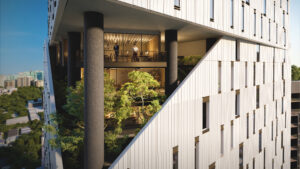
Figure 4: Sky Village – ODOM Tower, Phnom Penh, Cambodia © Archetype Group
Reducing Carbon Footprint During Construction
While operational energy efficiency often dominates discussions around sustainability, the embodied carbon of construction materials and processes contributes significantly to a building’s overall environmental impact [5]. Archetype Group adopts a data-driven, collaborative approach to minimize carbon footprint throughout the design and construction process.
Close coordination with structural engineers allows for the identification of low-carbon material alternatives. Regional sourcing is prioritized to reduce transportation emissions and support local economies. Supplementary cementitious materials such as fly ash, slag, and recycled aggregates are integrated wherever possible to lower carbon intensity without compromising structural performance [6]. Additionally, prefabrication and modular construction methods enhance precision, minimize waste, and shorten construction timelines, critical advantages in urban environments where labor, material storage, and site access are constrained.
Building Information Modeling (BIM) integrated with life cycle assessments (LCA) enables the evaluation of embodied carbon across multiple design options, allowing decisions to be guided by measurable environmental performance data [7]. This quantifiable approach ensures that sustainability goals are not aspirational but actionable, achievable, and maintainable. In emerging markets, where advanced imported technologies may not always be feasible, Archetype Group emphasizes pragmatic sustainability: solutions that balance environmental responsibility with cost efficiency and local constructability.
Weatherproof and Climate Responsive Design
Increasingly severe weather events including storms, floods, and extreme temperature fluctuations have made climate resilience a central design requirement for high-rise buildings [8]. Archetype Group integrates climate-responsive strategies across architectural and engineering disciplines, ensuring that tall buildings maintain structural integrity, operational functionality, and occupant safety under extreme conditions.
Material selection is the first line of defense against environmental stressors. Corrosion-resistant metals, moisture-resistant insulation, high-performance coatings, and durable sealants are specified for tropical, coastal, and high-humidity environments. These materials prolong façade and roof longevity while reducing the need for frequent replacements or maintenance interventions.
Structural stability is enhanced through advanced simulation and modeling. Computational Fluid Dynamics (CFD) is used to understand wind behavior around towers, guiding building form and structural detailing to minimize wind-induced motion. Damping devices and tuned mass dampers are incorporated to ensure occupant comfort and structural safety. In flood-prone regions, elevated podiums, sealed basements, multi-tiered drainage systems, and smart sensor networks are employed to protect critical systems and maintain functionality during extreme weather events.
Predictive maintenance extends weatherproofing beyond the construction phase. Sensors embedded in façades, roofs, and structural elements monitor temperature fluctuations, moisture penetration, and movement, providing early warnings for potential issues and enabling timely interventions. This approach ensures that buildings remain resilient throughout their lifecycle, safeguarding both capital investment and occupant safety.
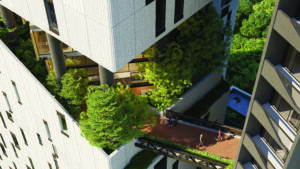
Figure 5: Sky Bridge – ODOM Tower, Phnom Penh, Cambodia © Archetype Group
Integrating Smart Building Technologies
Beyond the mechanical and structural strategies, smart building technologies play a pivotal role in maximizing performance and resilience. Archetype Group integrates digital twin platforms and IoT-enabled systems to provide continuous monitoring of electrical, mechanical, and structural systems. By analyzing real-time data, engineers can anticipate failures, optimize energy use, and improve occupant comfort. For instance, predictive analytics can forecast HVAC system maintenance needs based on performance trends, while energy management algorithms can shift loads to off-peak periods, reducing operational costs and carbon emissions [4].
Smart systems also facilitate adaptive control in response to environmental changes. Lighting, shading, and ventilation can respond automatically to sunlight, occupancy, and temperature fluctuations, creating a dynamic, energy-efficient environment. This digital layer ensures that tall buildings are not only physically resilient but also operationally agile, capable of adapting to both immediate challenges and long-term changes in climate, energy availability, and occupancy patterns.
Holistic Resilience Through Collaborative Design
The success of tall buildings in emerging and challenging environments depends on the integration of multiple disciplines including structural engineering, MEP systems, sustainability, architecture, and digital technology. Archetype Group’s holistic approach ensures that resilience is embedded at every stage, from initial site assessment and concept design to operation and maintenance.
Collaboration between architects, engineers, and sustainability experts ensures that operational efficiency, carbon responsibility, and occupant comfort are considered simultaneously. This integrated philosophy allows projects to exceed regulatory standards, optimize life cycle performance, and deliver value to both owners and occupants. By embedding flexibility, maintainability, and intelligence into every layer of design, Archetype Group positions tall buildings not merely as structures, but as adaptive, sustainable ecosystems capable of thriving in dynamic and challenging environments.
References
[1] Pérez-Lombard, L., J. Ortiz, and C. Pout. (2008). “A Review on Buildings Energy Consumption Information.” Energy and Buildings 40, no. 3: 394–398. https://doi.org/10.1016/j.enbuild.2007.03.007
[2] ASHRAE. (2020). ASHRAE Handbook: HVAC Systems and Equipment. Atlanta: American Society of Heating, Refrigerating and Air-Conditioning Engineers.
[3] International Energy Agency. (2018). The Future of Cooling: Opportunities for Energy-Efficient Air Conditioning. Paris: IEA. https://www.iea.org/reports/the-future-of-cooling
[4] Wong, J. K. W., and H. Li. (2010). “Intelligent Building Systems and Smart Technologies.” Automation in Construction 19, no. 3: 299–309. https://doi.org/10.1016/j.autcon.2009.11.003
[5] Pomponi, F., and A. Moncaster. (2016). “Embodied Carbon Mitigation and Reduction in the Built Environment.” Energy and Buildings 116: 308–317. https://doi.org/10.1016/j.enbuild.2015.11.039
[6] Scrivener, K. L., V. M. John, and E. M. Gartner. (2018). “Eco-Efficient Cements: Potential Economically Viable Solutions for a Low-CO₂ Cement-Based Materials Industry.” Cement and Concrete Research 114: 2–26. https://doi.org/10.1016/j.cemconres.2018.03.015
[7] Röck, M., et al. (2020). “Embodied GHG Emissions of Buildings – The Hidden Challenge for Effective Climate Change Mitigation.” Applied Energy 258. https://doi.org/10.1016/j.apenergy.2019.114107
[8] Ali, M. M., and K. S. Moon. (2007). “Structural Developments in Tall Buildings: Current Trends and Future Prospects.” Architectural Science Review 50, no. 3: 205–223. https://doi.org/10.3763/asre.2007.5027